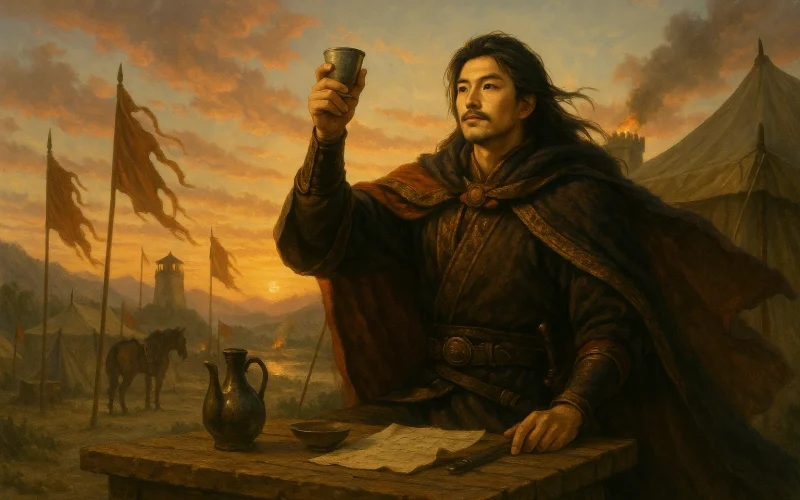



When this melody for the flageolet was made by Lady Ts'ai,
When long ago one by one she sang its eighteen stanzas,
Even the Tartars were shedding tears into the border-grasses,
And the envoy of China was heart-broken, turning back home with his escort.
...Cold fires now of old battles are grey on ancient forts,
And the wilderness is shadowed with white new-flying snow.

...When the player first brushes the Shang string and the Chueh and then the Yu,
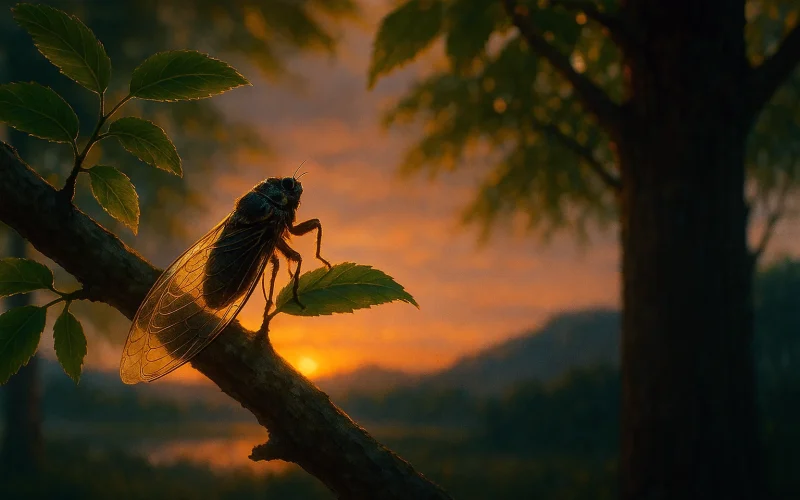
Autumn-leaves in all four quarters are shaken with a murmur.
Tung, the master,
Must have been taught in heaven.
Demons come from the deep pine-wood and stealthily listen
To music slow, then quick, following his hand,
Now far away, now near again, according to his heart.

A hundred birds from an empty mountain scatter and return;
Three thousand miles of floating clouds darken and lighten;
A wildgoose fledgling, left behind, cries for its flock,
And a Tartar child for the mother he loves.
Then river waves are calmed
And birds are mute that were singing,
And Wu-chu tribes are homesick for their distant land,
And out of the dust of Siberian steppes rises a plaintive sorrow...

Suddenly the low sound leaps to a freer tune,
Like a long wind swaying a forest, a downpour breaking tiles,
A cascade through the air, flying over tree-tops.

...A wild deer calls to his fellows. He is running among the mansions
In the corner of the capital by the Eastern Palace wall.
Phrenix Lake lies opposite the Gate of Green Jade;
But how can fame and profit concern a man of genius?
Day and night I long for him to bring his lute again.
Original Poem
「听董大弹胡笳弄兼寄语房给事」
李颀
蔡女昔造胡笳声,一弹一十有八拍。
胡人落泪沾边草,汉使断肠对归客。
古戍苍苍烽火寒,大荒沉沉飞雪白。
先拂商弦后角羽,四郊秋叶惊槭。
董夫子,通神明,深山窃听来妖精。
言迟更速皆应手,将往复旋如有情。
空山百鸟散还合,万里浮云阴且晴。
嘶酸雏雁失群夜,断绝胡儿恋母声。
川为净其波,鸟亦罢其鸣。
乌孙部落家乡远,逻娑沙尘哀怨生。
幽音变调忽飘洒,长风吹林雨堕瓦。
进泉飒飒飞木末,野鹿呦呦走堂下。
长安城连东掖垣,凤凰池对青琐门。
高才脱略名与利,日夕望君抱琴至。
Interpretation
This poem was composed by the Tang dynasty poet Li Qi around the Tianbao era. "Dong the Great" refers to Dong Tinglan, a celebrated lute master of the time, renowned for his skill in playing the "Barbarian Reedpipe" melody. "Supervising Secretary Fang" refers to Fang Guan, who then held the position of Supervising Secretary, an important court official with a refined love for music and a friendship with Li Qi. The barbarian reedpipe was originally a Hu (nomadic) instrument. Legend says that when Cai Wenji returned to Han territory, moved by the sorrows of her life, she composed the "Eighteen Stanzas of the Barbarian Reedpipe" to convey her grief. Listening to Dong Tinglan perform this piece, Li Qi was profoundly moved by its musical power and thus wrote this poem, both to praise Dong's superb artistry and to express, through it, the sentiment of finding a true musical confidant to Fang Guan. The poem vividly conveys the expressive power of the music, transforming auditory sensations into magnificent visual imagery, showcasing the unique High Tang poetic approach to the subject of music.
Stanza One: «蔡女昔造胡笳声,一弹一十有八拍。胡人落泪沾边草,汉使断肠对归客。古戍苍苍烽火寒,大荒沉沉飞雪白。»
Cài nǚ xī zào hújiā shēng, yī tán yī shí yǒu bā pāi. Hú rén luòlèi zhān biān cǎo, Hàn shǐ duàncháng duì guī kè. Gǔ shù cāngcāng fēnghuǒ hán, dàhuāng chénchén fēixuě bái.
In times past, Lady Cai created the Reedpipe's tune; / A single playing—one full set of eighteen beats.
Hu men shed tears that wet the borderland's grass; / Han envoys, hearts torn, faced the returning guest.
Ancient garrisons stretch vast, beacon fires chill; / The great wild lies somber, flying snow is white.
The opening four lines trace the origin of the Reedpipe melody and its moving power. «蔡女昔造» clarifies its source; «一弹一十有八拍» states the musical form while implying a rhythm of lament. «胡人落泪» and «汉使断肠» use the listeners' reactions to highlight the music's emotional impact. Shared sorrow between Hu and Han underscores the melody's universal appeal, transcending ethnic boundaries. The next two lines expand the artistic conception with frontier imagery: «古戍苍苍烽火寒» depicts the vastness of time and space; «大荒沉沉飞雪白» depicts nature's harshness, establishing a broad and desolate background for the music's entrance.
Stanza Two: «先拂商弦后角羽,四郊秋叶惊槭。董夫子,通神明,深山窃听来妖精。言迟更速皆应手,将往复旋如有情。»
Xiān fú shāng xián hòu jué yǔ, sì jiāo qiū yè jīng qī. Dǒng fūzǐ, tōng shénmíng, shēnshān qiètīng lái yāojing. Yán chí gèng sù jiē yìng shǒu, jiāng wǎng fù xuán rú yǒuqíng.
First he sweeps the Shang string, then the Jue and Yu; / In all suburbs autumn leaves tremble, startled.
Master Dong, you commune with divine intelligence; / In deep mountains, sprites come stealing to listen.
Whether lingering or swift, all answers to your hand; / Advancing, returning, circling, as if bearing feeling.
The description formally turns to Dong's performance. «先拂商弦后角羽», with its shift in musical modes, hints at the melody's rich layers. «四郊秋叶惊槭» uses the trembling of natural objects to manifest the music's power—the autumn leaves, already bleak, are startled by the lute sounds and fall, emphasizing the intensity of its emotional effect. The hyperbole of «通神明» and «来妖精» elevates Dong's skill to a mythical realm, suggesting his music can communicate with heaven and earth, moving even unseen spirits. The last two lines, «言迟更速皆应手,将往复旋如有情», deepen the portrayal from both technical and emotional levels: technically masterful and responsive, emotionally flowing and circling, the two are perfectly unified.
Stanza Three: «空山百鸟散还合,万里浮云阴且晴。嘶酸雏雁失群夜,断绝胡儿恋母声。川为净其波,鸟亦罢其鸣。»
Kōng shān bǎiniǎo sàn hái hé, wànlǐ fúyún yīn qiě qíng. Sī suān chú yàn shī qún yè, duànjué hú ér liàn mǔ shēng. Chuān wéi jìng qí bō, niǎo yì bà qí míng.
In empty mountains, a hundred birds scatter, then regroup; / For ten thousand li, drifting clouds darken, then clear.
Like the rasping sob of a fledgling goose losing the flock at night; / Like the severed sound of a Hu child longing for his mother.
Rivers, for it, still their waves; / Birds, too, cease their cries.
This section employs concentrated metaphor, transforming the music into a series of visual and auditory images. «空山百鸟散还合» describes the melody's rising and falling, turning transitions, now dispersing, now converging. «万里浮云阴且晴» mimics the changing light and shade of the tone, now somber, now bright. One metaphor describes movement, the other light and shadow, both creating strong pictorial tension. Then, with two more specific images—«嘶酸雏雁失群夜» and «断绝胡儿恋母声»—the music's poignancy is pushed to its extreme. A fledgling goose losing its flock, a Hu child missing his mother—these are universal emotional wounds. Finally, «川为净其波,鸟亦罢其鸣» concludes with personification: rivers and birds fall silent because of the lute sounds; all things between heaven and earth are moved.
Stanza Four: «乌孙部落家乡远,逻娑沙尘哀怨生。幽音变调忽飘洒,长风吹林雨堕瓦。进泉飒飒飞木末,野鹿呦呦走堂下。»
Wūsūn bùluò jiāxiāng yuǎn, Luósuō shāchén āiyuàn shēng. Yōu yīn biàndiào hū piāosǎ, chángfēng chuī lín yǔ duò wǎ. Jìn quán sàsà fēi mùmò, yělù yōuyōu zǒu táng xià.
The Wusun tribe's homeland is far; / From Lhasa's dust and sand, grief and resentment arise.
The mournful tune shifts mode, suddenly turns airy and sprinkling; / Like a long wind blowing through woods, rain pelting roof tiles.
Like a spring rushing forth, rustling, flying to treetops; / Like wild deer calling 'yow', running beneath the hall.
The music continues to unfold, the imagery flowing with it. The two Western Regions place names, «乌孙» and «逻娑», evoke the remoteness and desolation of the frontier, strengthening the exotic character of the Reedpipe melody. «幽音变调忽飘洒» describes a turn in the music, from somber to bright. The next three lines use three consecutive metaphors: «长风吹林雨堕瓦» depicts its bold, unimpeded momentum; «进泉飒飒飞木末» mimics its rapid, rustling flow; «野鹿呦呦走堂下» suggests its fresh, untrammeled charm. The three images capture the music's changing posture from different angles, creating a dazzling display.
Stanza Five: «长安城连东掖垣,凤凰池对青琐门。高才脱略名与利,日夕望君抱琴至。»
Cháng'ān chéng lián dōng yè yuán, fènghuáng chí duì qīngsuǒ mén. Gāocái tuōlüè míng yǔ lì, rìxī wàng jūn bào qín zhì.
Chang'an city links the walls of the Eastern Side Gate; / The Phoenix Pool faces the Blue-Lock Gate.
Your high talent discards and slights fame and gain; / Day and night I hope for you, coming lute in arms.
The concluding four lines turn to the poem's addressee, Supervising Secretary Fang. «长安城连东掖垣» indicates his residence near the palace precincts, hinting at his esteemed status. «凤凰池对青琐门» uses "Phoenix Pool" (a metonym for the Secretariat) to refer to his office and "Blue-Lock Gate" for the palace gate, further emphasizing his position at the center of power. Yet the next two lines shift tone: «高才脱略名与利» says that though in high office, he transcends fame and profit; «日夕望君抱琴至» expresses his longing for a true musical confidant (Dong the Great). This is praise for Fang Guan and also the poet speaking through him—true understanding cares not for power or status, only for spiritual resonance.
Holistic Appreciation
This is a masterpiece among High Tang music poems. Its artistic achievement lies in transforming elusive music into tangible, perceptible clusters of imagery. Li Qi fully mobilizes various senses—sight, sound, touch—employing extensive metaphor, hyperbole, and personification to unfold Dong's performance and its effects layer by layer, making the reader feel as if personally present, hearing the sounds firsthand.
The poem's structure is as layered as a musical movement: beginning with the historical origin of Cai Wenji's composition, moving to the astonishing skill of Dong's performance, then to the natural illusions evoked by the music, finally concluding with a heartfelt message for a true listener. Images arrive in quick succession yet without a sense of clutter—a hundred birds, drifting clouds, a fledgling goose, a Hu child, long wind blowing through woods, rain pelting tiles, a rushing spring, wild deer... each image corresponds precisely to one aspect of the music, together forming a complete and flowing musical universe.
Particularly valuable is that the poet does not stop at praising the music but concludes with «日夕望君抱琴至», closely linking music with life's circumstances and the sentiment of finding a true listener. Dong's lute sounds move people not only because of his superb skill but also because they can evoke universal human emotional memories. And Supervisor Fang's "longing" is not merely for the lute sounds but a craving for spiritual affinity. This method of integrating artistic appreciation with reflection on life elevates the poem beyond mere musical description into a profound meditation on understanding, resonance, and true friendship.
Artistic Merits
- Bold Use of Synesthesia: The poet breaks through the boundary between hearing and sight, letting lute sounds become visible pictures—«空山百鸟散还合,万里浮云阴且晴»—giving abstract notes concrete life.
- Density and Order of Imagery: The poem's images are as dense as rain, yet clearly layered: first frontier imagery (ancient garrisons, the great wild), then mythical imagery (sprites, divine intelligence), followed by natural imagery (hundred birds, drifting clouds), and finally borderland imagery (Wusun, Lhasa). The progression is layered, not chaotic.
- Lively and Deepened Use of Allusion: Beginning with Cai Wenji's story not only explains the tune's origin but also imbues the entire poem with a deep historical sense. Embedding place names like Wusun and Lhasa expands the poem's spatial dimension.
- Subtle and Meaningful Conclusion: The last four lines shift from musical description to human reflection seamlessly. The seven words «日夕望君抱琴至» express Fang Guan's anticipation, the poet's own sentiment, and the shared heart's desire of all who seek true understanding—the words end, but the meaning is infinite.
Insights
The core insight this poem offers contemporary readers concerns the depth of artistic appreciation and the meaning of finding a true, understanding listener. The reason Dong's lute artistry could «通神明» and «来妖精» lies not only in his exquisite skill but also in its ability to touch universal human emotions—the sorrow of losing the flock, the pain of longing for home, the grief of separation. This reminds us: truly great art is never about showing off technique but about using technique to convey emotion, moving people with feeling.
The line «言迟更速皆应手,将往复旋如有情» expresses the true essence of artistic creation: technique can be trained, but only by infusing sincere feeling can a work possess the power to move hearts. In today's world of advancing technology, this is especially worth contemplating—no matter how technology progresses, the core of art will always be human emotion and experience.
Finally, the call of «日夕望君抱琴至» is an eternal longing for a true listener. In the clamor of modern life, people who can truly "hear" the sound of our hearts are increasingly few. This poem enlightens us: a true confidant may be rare, but the act of "longing for you, coming lute in arms" is itself a precious spiritual sustenance. Just as Li Qi, through Dong's lute sounds and Secretary Fang's listening, completed a poetic resonance, we too can seek in art that person who "comes lute in arms," or become in art the one who "goes, lute in arms."
Poem translator
Kiang Kanghu
About the Poet
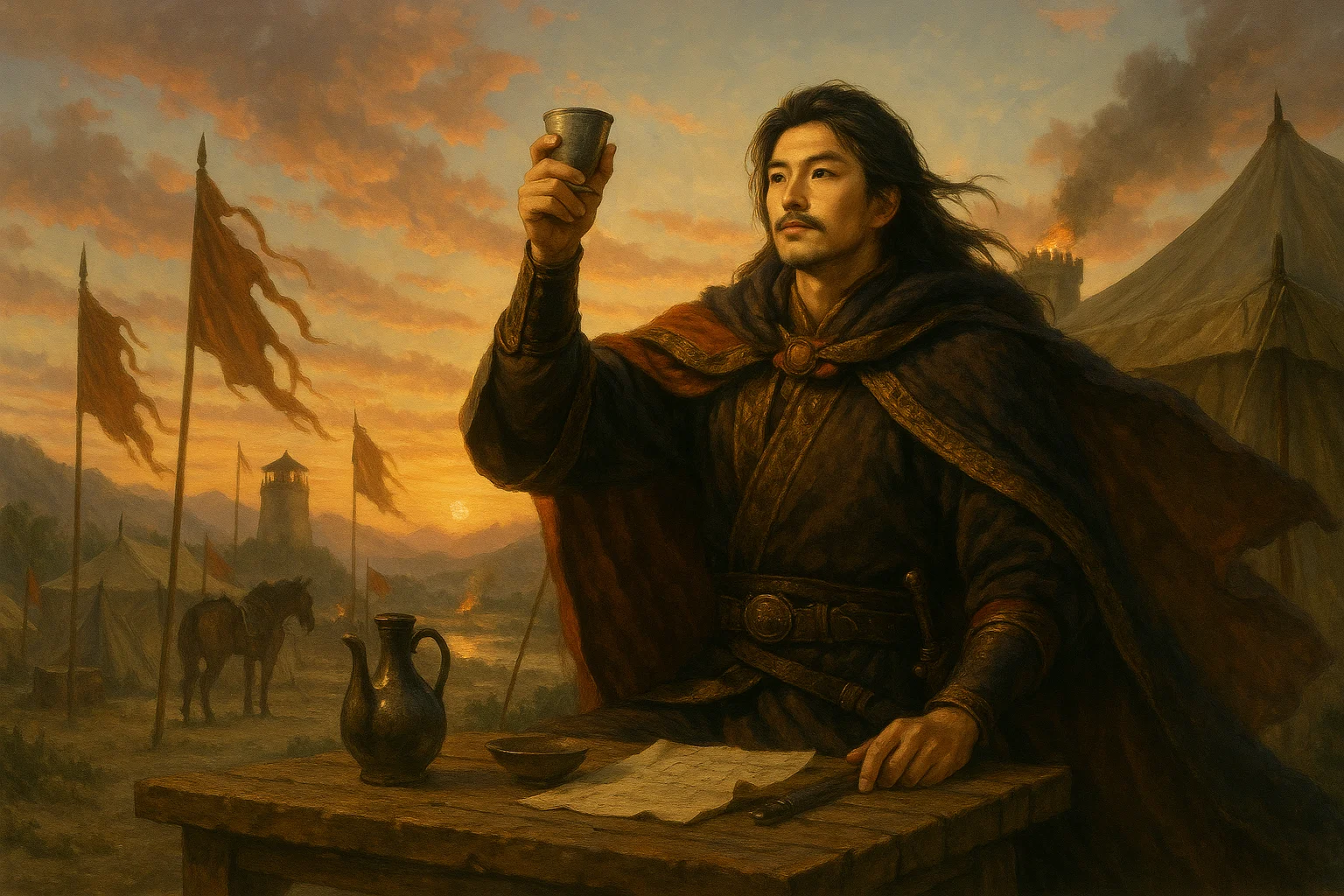
Li Qi (李颀 c. 690 – c. 751), whose ancestral home was in Zhao County, Hebei Province, was a renowned frontier fortress poet of the High Tang period. He became a jinshi (presented scholar) in the 23rd year of the Kaiyuan era (735 AD) and served as the Sheriff of Xinxiang before retiring from official life to live in seclusion. His poetry is best known for its frontier themes, and he excelled particularly in seven-character ancient verse and character portrayal. He had a gift for blending boldness with delicate emotion, and together with Gao Shi and Cen Shen, he collectively shaped the grandeur of High Tang frontier poetry.