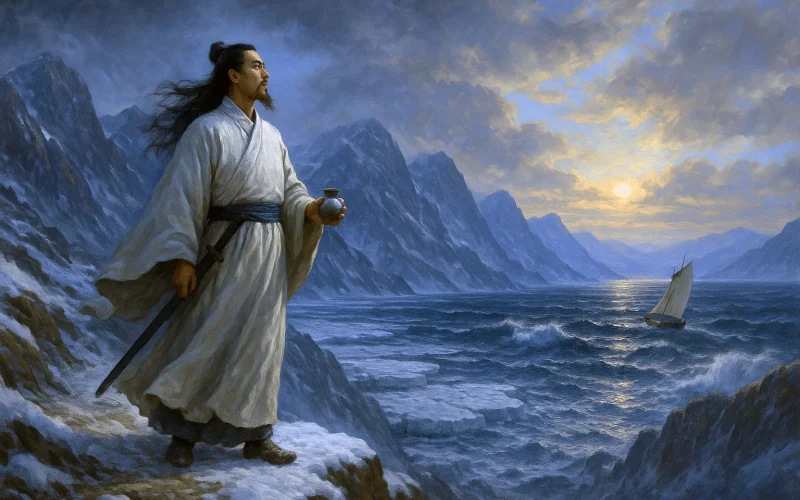


See how the Yellow River's waters move out of heaven.
Entering the ocean, never to return.
See how lovely locks in bright mirrors in high chambers,
Though silken-black at morning, have changed by night to snow.
...Oh, let a man of spirit venture where he pleases
And never tip his golden cup empty toward the moon!
Since heaven gave the talent, let it be employed!
Spin a thousand pieces of silver, all of them come back!
Cook a sheep, kill a cow, whet the appetite,
And make me, of three hundred bowls, one long drink!
...To the old master, Ts'en,
And the young scholar, Tan-ch'iu,
Bring in the wine!
Let your cups never rest!
Let me sing you a song!
Let your ears attend!
What are bell and drum, rare dishes and treasure?
Let me be forever drunk and never come to reason!
Sober men of olden days and sages are forgotten,
And only the great drinkers are famous for all time.
...Prince Ch'en paid at a banquet in the Palace of Perfection
Ten thousand coins for a cask of wine, with many a laugh and quip.
Why say, my host, that your money is gone?
Go and buy wine and we'll drink it together!
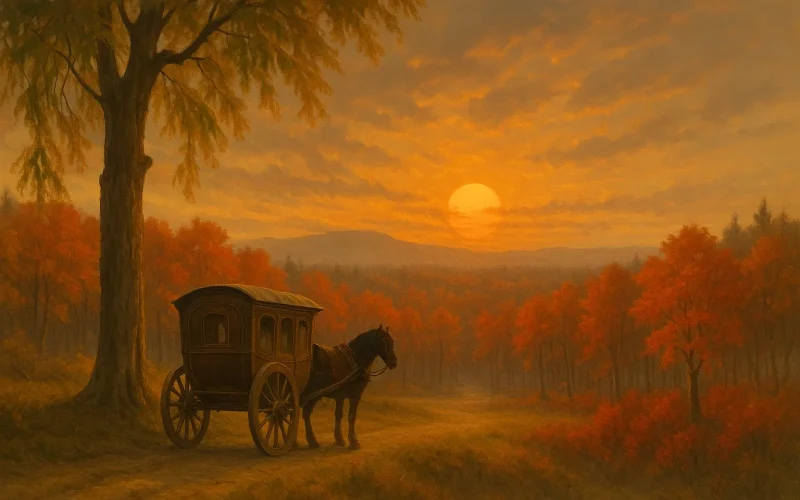
My flower-dappled horse,
My furs worth a thousand,
Hand them to the boy to exchange for good wine,
And we'll drown away the woes of ten thousand generations!
Original Poem
「将进酒」
李白
君不见黄河之水天上来,奔流到海不复回。
君不见高堂明镜悲白发,朝如青丝暮成雪。
人生得意须尽欢,莫使金樽空对月。
天生我材必有用,千金散尽还复来。
烹羊宰牛且为乐,会须一饮三百杯。
岑夫子,丹丘生,将进酒,杯莫停。
与君歌一曲,请君为我倾耳听。
钟鼓馔玉不足贵,但愿长醉不复醒。
古来圣贤皆寂寞,惟有饮者留其名。
陈王昔时宴平乐,斗酒十千恣欢谑。
主人何为言少钱,径须沽取对君酌。
五花马、千金裘,呼儿将出换美酒,与尔同销万古愁。
Interpretation
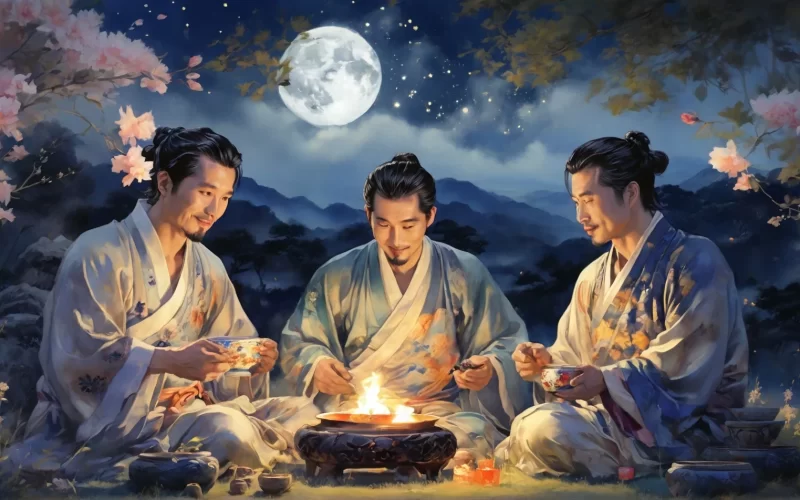
Written eight years after Li Bai's court dismissal (the so-called "golden exile"), during a mountain-top banquet with companions Cen Xun and Yuan Danqiu, this work embodies a volcanic outburst of complex feelings. At fifty, with political ambitions completely crushed, the poet's unrestrained manner masks deep existential dread. "Invitation to Wine" transmutes the anguish of unrecognized genius into a supreme quest for life's fullness, emerging as a vital anthem forged from despair.
First Couplet: "君不见黄河之水天上来,奔流到海不复回。"
Jūn bùjiàn Huáng Hé zhī shuǐ tiān shàng lái, bēnliú dào hǎi bù fù huí.
See how the Yellow River's waters descend from heaven, Racing seaward, never turned again!
The opening adopts a cosmic perspective, elevating the river's flow into a symbol of time and fate. "Descend from heaven" imbues the river with divinity—its grandeur underscores an irrevocable destiny, establishing the poem's vast, tragic tone.
Second Couplet: "君不见高堂明镜悲白发,朝如青丝暮成雪。"
Jūn bùjiàn gāo táng míngjìng bēi báifà, zhāo rú qīngsī mù chéng xuě.
See bright mirrors in lofty halls lament white hair, Dawn's silk-black now evening's snow-despair!
The focus shifts from cosmic spectacle to intimate space, compressing a lifespan through极致 exaggeration. "Dawn" and "dusk" contrast not literally but materialize inner anguish, intensifying time's terror, completing the transition from space to time, cosmos to life.
Third Couplet: "人生得意须尽欢,莫使金樽空对月。"
Rénshēng déyì xū jìnhuān, mò shǐ jīn zūn kōng duì yuè.
When life offers delight, enjoy its fill; Let no gold cup face the moon, standing still!
Under preceding immense pressure, this couplet logically rebounds. "Enjoy its fill" isn't hedonism but active defiance against nihilism after recognizing life's tragic essence. "Standing still" reflects deep fear of life's potential waste.
Fourth Couplet: "天生我材必有用,千金散尽还复来。"
Tiānshēng wǒ cái bì yǒu yòng, qiān jīn sàn jìn huán fù lái.
Heaven bred my talent, it must be used; A thousand gold spent will be recouped!
This core declaration blends profound self-encouragement with irony. "Must be used" reflects eternal High Tang cultural conviction; "will be recouped" transcends worldly values. This cry addresses both the external world and internal uncertainty.
Fifth Couplet: "烹羊宰牛且为乐,会须一饮三百杯。"
Pēng yáng zǎi niú qiě wéi lè, huì xū yī yǐn sānbǎi bēi.
Cook sheep, slaughter oxen for delight; We must drink three hundred cups this night!
Ritualistic feasting materializes abstract "joy" into sensory impact. "Three hundred cups" exaggeration aims to fill spiritual voids with material abundance.
Sixth Couplet: "岑夫子,丹丘生,将进酒,杯莫停。"
Cén fūzǐ, Dān qiū shēng, qiāng jìnjiǔ, bēi mò tíng.
Master Cen, Danqiu, let's drink wine; Cups never cease, yours and mine!
Direct naming breaks narrative rhythm, pulling readers into the banquet instantly with dramatic immersion—the emotional升温 point.
Seventh Couplet: "与君歌一曲,请君为我倾耳听。"
Yǔ jūn gē yī qǔ, qǐng jūn wèi wǒ qīng ěr tīng.
Let me sing a song for you; Lend your ears, listen through.
Transition from "drinking" to "singing" elevates emotion further. The poet seeks not just sensory indulgence but spiritual catharsis.
Eighth Couplet: "钟鼓馔玉不足贵,但愿长醉不复醒。"
Zhōnggǔ zhuàn yù bùzú guì, dàn yuàn cháng zuì bù fù xǐng.
Bells and jades are worthless things; I'd stay drunk, ignoring what morning brings.
This is open rebellion against mainstream values. "Stay drunk" is the poetic eye—drunkenness resists ugly reality; unwillingness to wake acknowledges the world's unworthiness.
Ninth Couplet: "古来圣贤皆寂寞,惟有饮者留其名。"
Gǔ lái shèngxián jiē jìmò, wéi yǒu yǐn zhě liú qí míng.
Sages through ages died unknown; Only drinkers leave their name shown.
This shocking historical view redefines personal value. Ironic fury uses drinkers' "fame" to mock sages' "obscurity," glorifying personal "failure."
Tenth Couplet: "陈王昔时宴平乐,斗酒十千恣欢谑。"
Chén wáng xīshí yàn píng lè, dǒu jiǔ shí qiān zì huān xuè.
Prince Chen feasted at Pingle Hall; Priceless wine fueled mirth for all.
Alluding to Cao Zhi—gifted but distrusted—Li Bai finds a trans-temporal soulmate, granting personal grievance historical depth.
Eleventh Couplet: "主人何为言少钱,径须沽取对君酌。"
Zhǔrén héwèi yán shǎo qián, jìng xū gū qǔ duì jūn zhuó.
Why host mention lacking funds? Just buy wine where the river runs!
The poet's role reversal and boldness peak here, showing emotional忘乎所以.
Twelfth Couplet: "五花马、千金裘,呼儿将出换美酒,与尔同销万古愁。"
Wǔhuā mǎ, qiān jīn qiú, hū ér jiāng chū huàn měijiǔ, yǔ ěr tóng xiāo wàngǔ chóu.
My dappled steed, furs worth a fortune; Call the boy, trade for wine's tune! Let's drown eternal sorrow, yours and mine!
The climax: "eternal sorrow" reveals the grief transcends personal failure, embracing humanity's eternal plights—life's brevity, unrecognized talent, futile ambitions. Extravagant material sacrifice against ultimate spiritual dilemmas creates a tragic, magnificent paradox.
Holistic Appreciation
This work is a polyphonic symphony interweaving extreme confidence and despair, ecstasy and grief. Its emotional structure is not linear but cyclical—"sorrow, joy, anger, madness" reverberate in continuous oscillation. Beginning with the cosmic imagery of the Yellow River and concluding with the philosophical concept of "eternal sorrow," the poem constructs a grand framework spanning from space to time, from individual to history. In this linguistic carnival, Li Bai elevates "wine" into a core symbol of life philosophy: it serves as both anesthetic and catalyst, means of escape and battleground. With its overwhelming momentum, startling language, and profound tragic consciousness, this work stands as the most soul-stirring example of "sober intoxication" in Chinese poetry.
Artistic Merits
- Thunderous Rhythm and Emotional Tension: Emotions surge and fall like river waves. Confidence and insecurity, joy and anger, broad-mindedness and fury coexist, creating immense artistic tension.
- Extreme Hyperbolic Application: Exaggeration permeates the entire work—from the "three hundred cups" of wine to the concept of "eternal sorrow"—consistently pushing imaginative boundaries to serve the poem's eruptive emotional expression.
- Unrestrained Syntax and Rhythm: Irregular line lengths and urgent rhythms mimic inebriated speech, breaking conventional poetic cadence.
- Epic Self-Image Crafting: The poem forges Li Bai's immortal "banished immortal" persona—Tang's "Dionysian" symbol transcending the man himself.
Insights
This poem embodies a tragic heroism that maintains vitality amidst despair. When external conflicts prove insoluble, one can turn inward, affirming self-worth through spiritual exuberance. Li Bai's "drunkenness" represents a sober descent—using surface abandon to achieve inner steadfastness. While we may lack the boldness to "spend thousands in gold" today, we face modern versions of "eternal sorrow"—meaninglessness, success anxiety, and time's pressure. The poem teaches that true strength lies not in eliminating sorrow, but in Li Bai's courage to transform grief into magnificent poetry and despair into life's celebration. Recognizing life's tragic undertone while still declaring "Heaven bred my talent, it must be used!"—this is why the poem continues to electrify readers across millennia.
Poem translator
Kiang Kanghu
About the poet
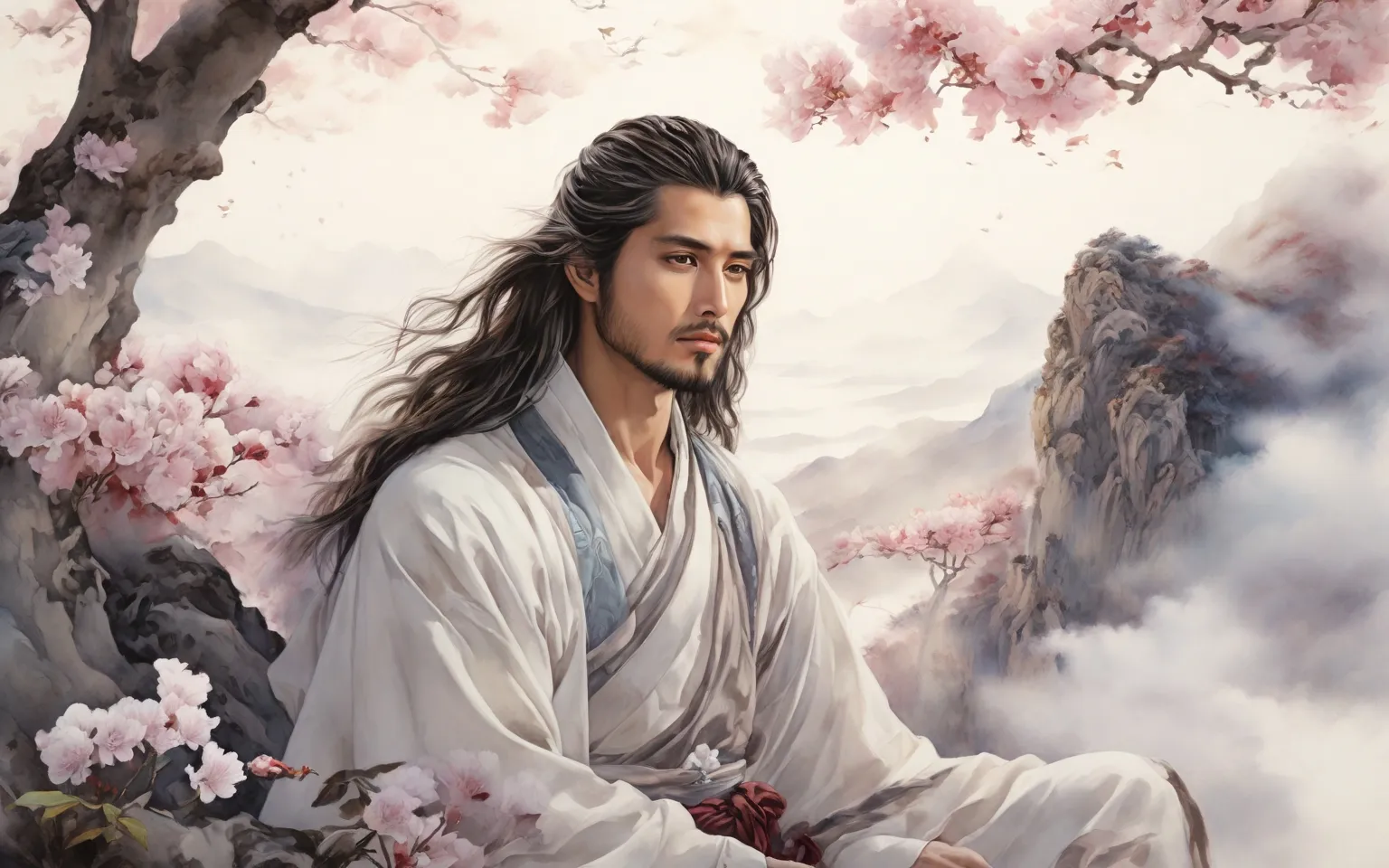
Li Bai (李白), 701 - 762 A.D., whose ancestral home was in Gansu, was preceded by Li Guang, a general of the Han Dynasty. Tang poetry is one of the brightest constellations in the history of Chinese literature, and one of the brightest stars is Li Bai.